PROBLEM STATEMENT
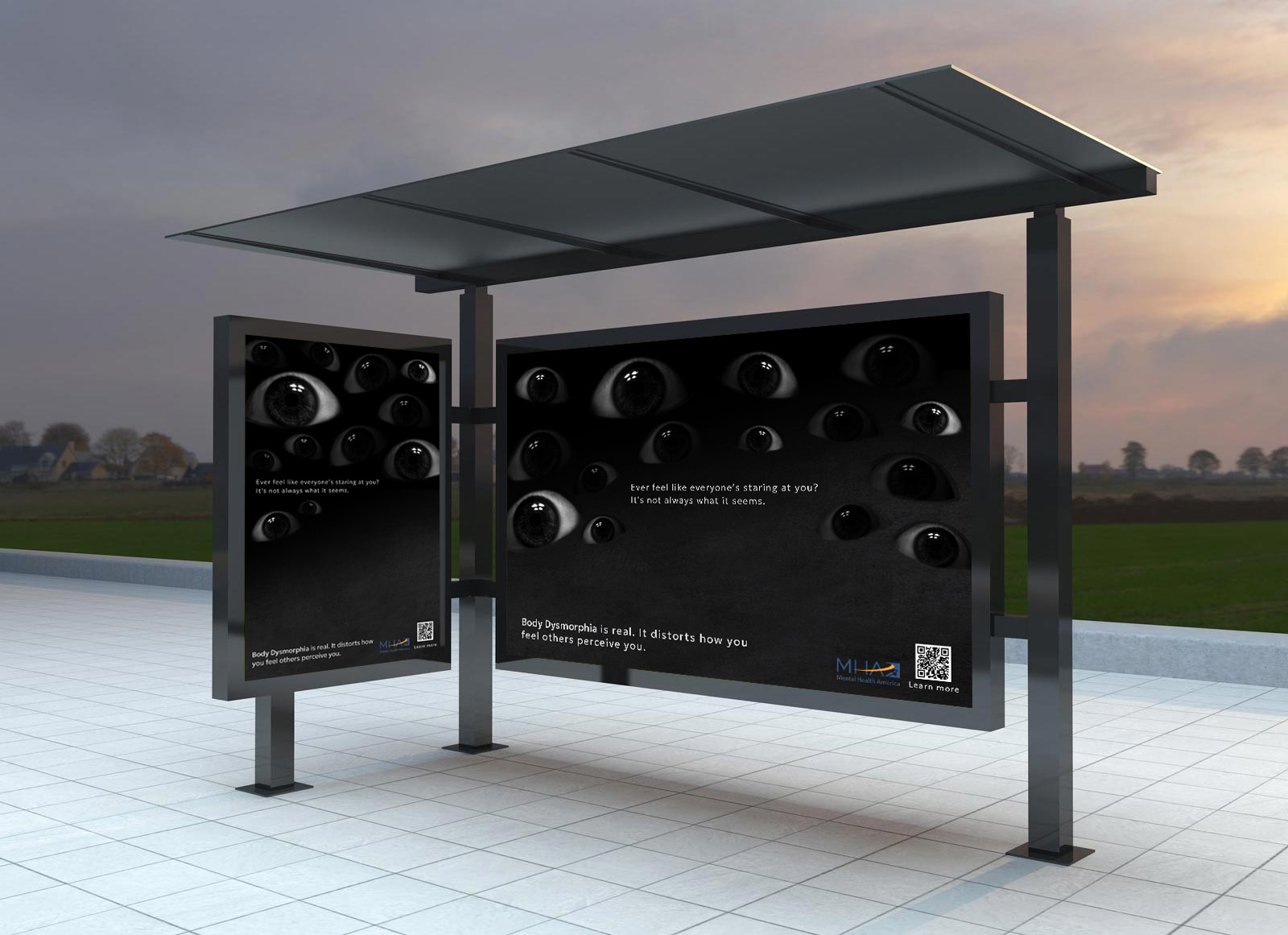
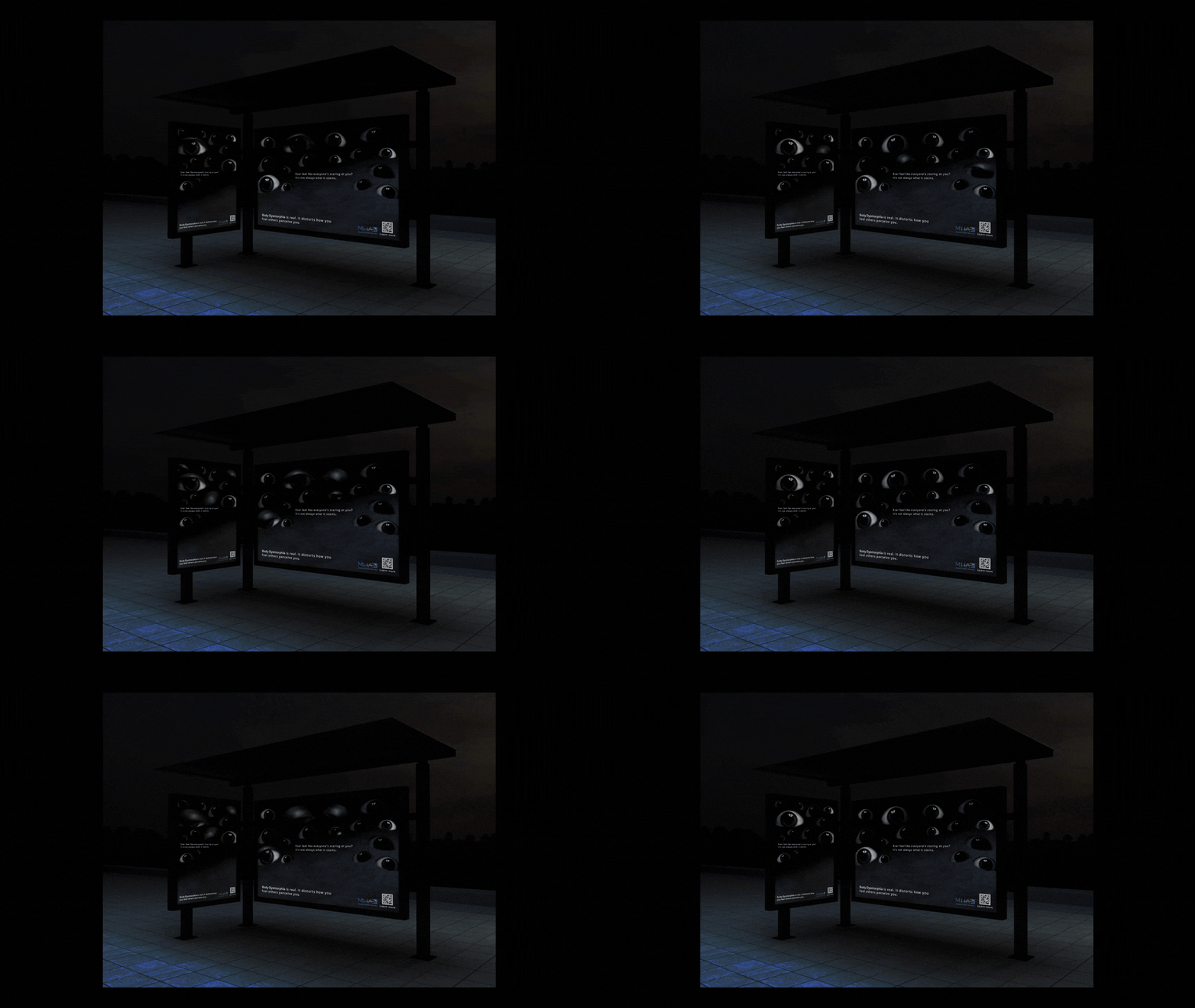
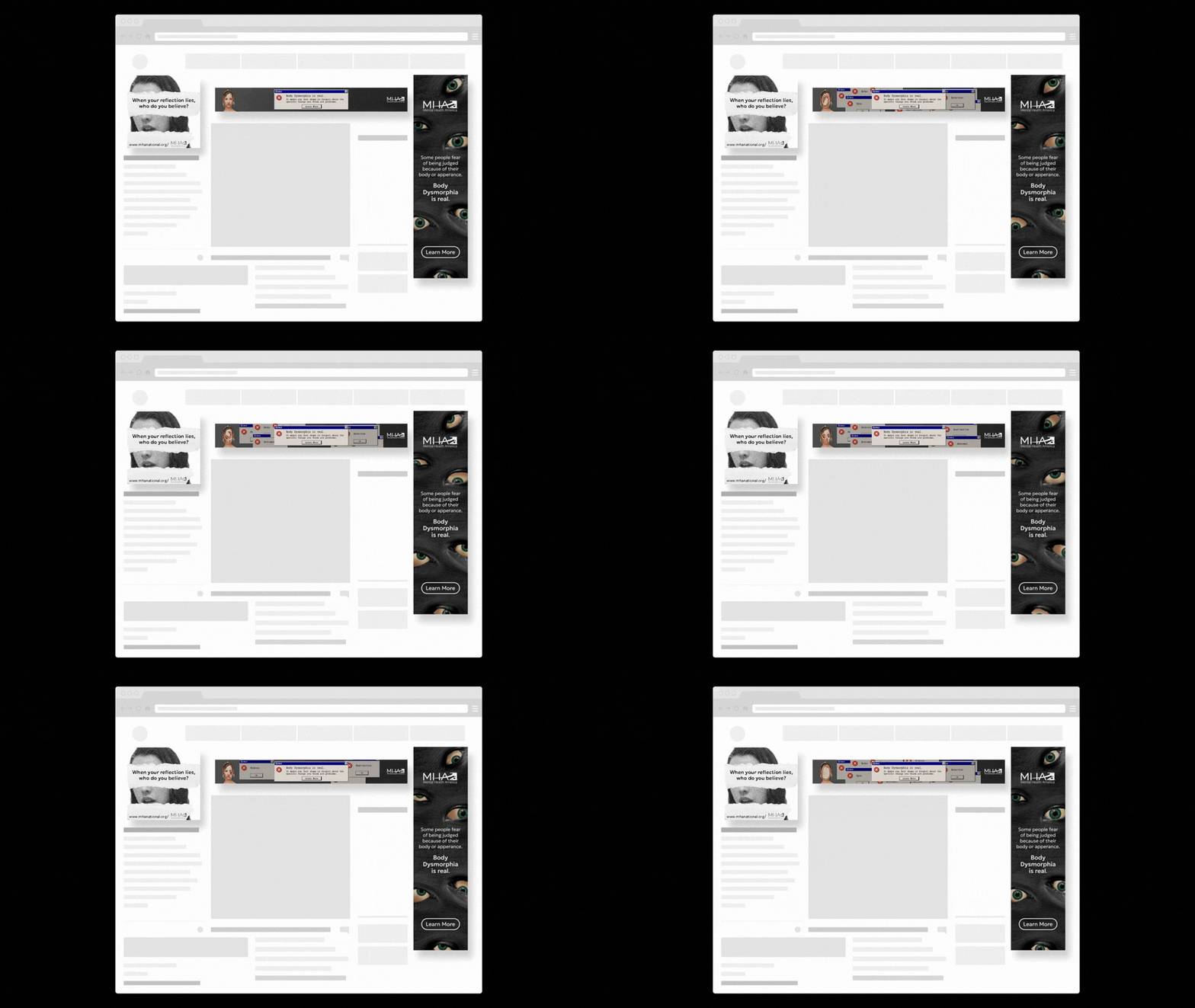
Body Dysmorphic Disorder remains underdiagnosed because intense shame often leads people to seek cosmetic fixes rather than mental health support. This is fueled by social media’s "digital funhouse mirror," where impossible, filtered standards trigger a cycle of constant comparison and obsession. By equating this distress with vanity, many suffer in silence, trapped between unrealistic ideals and the fear of being judged for their perceived flaws.
IDEA
Raise awareness about BDD and reduce stigma surrounding body image issues. Viewers should empathize with those struggling with BDD, understand its serious impact, and feel motivated to support others with kindness and respect.
We want them to realize that body dysmorphia is not just a superficial concern it’s a real, heavy mental health issue that distorts how someone sees themselves.
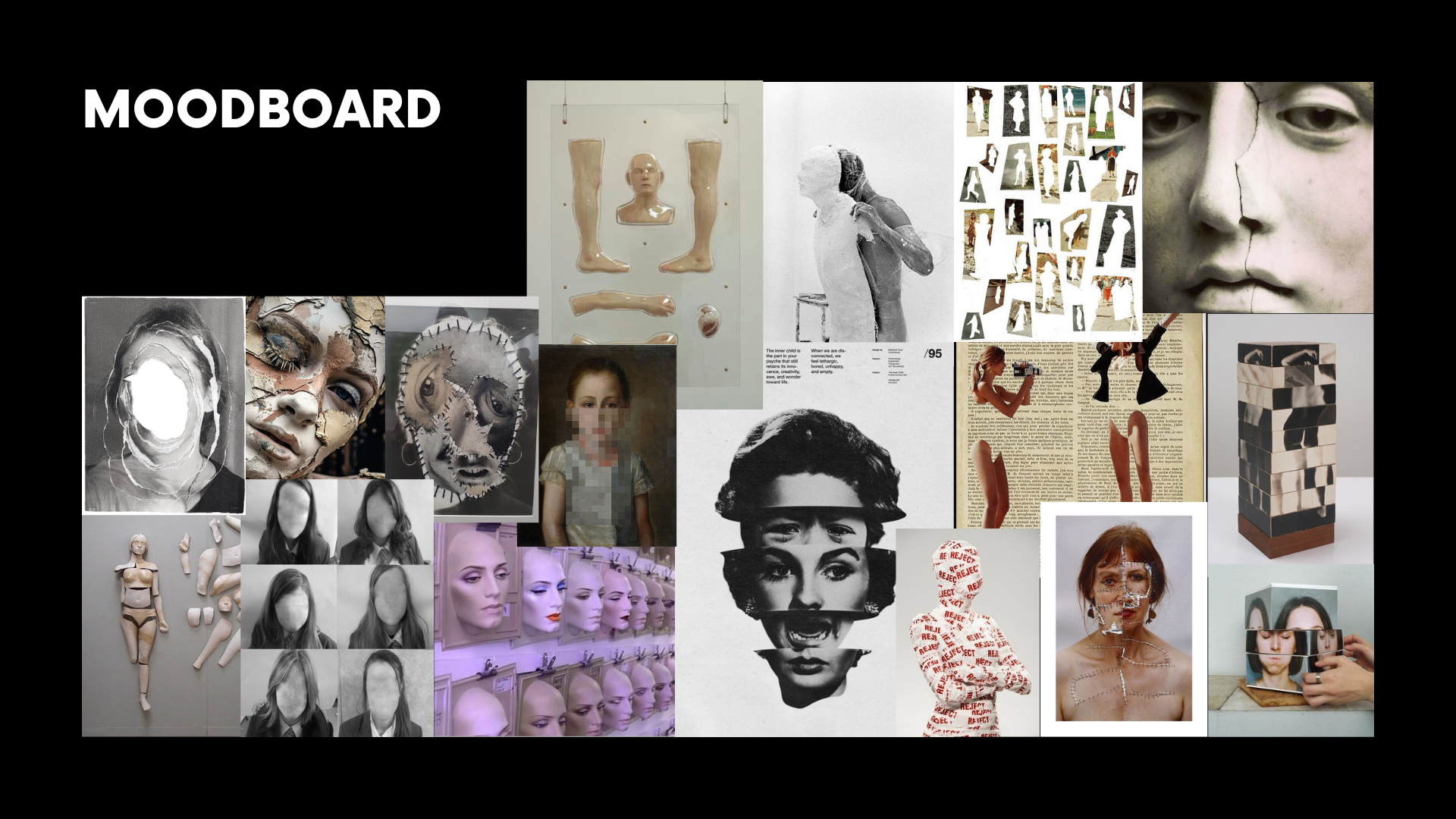
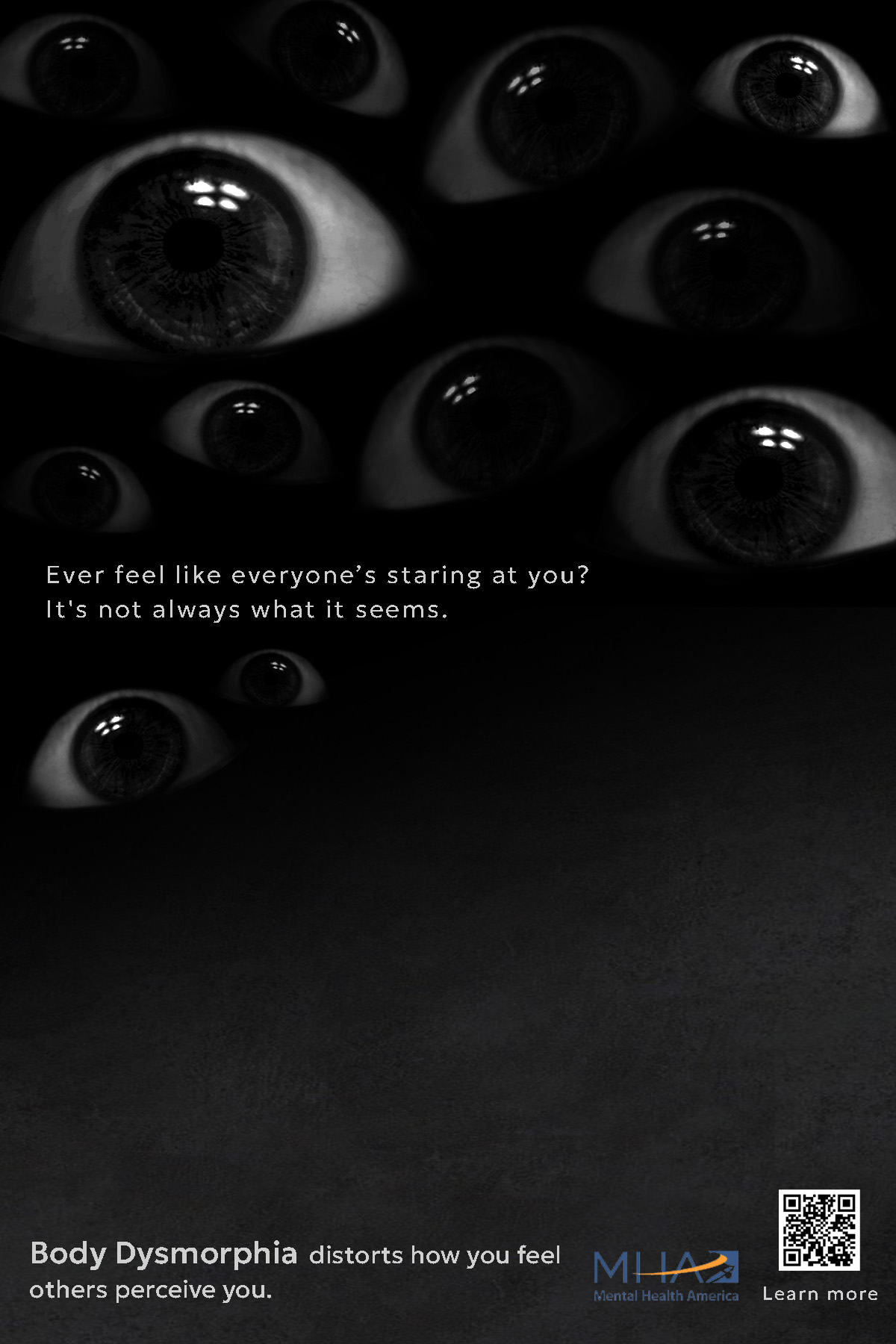
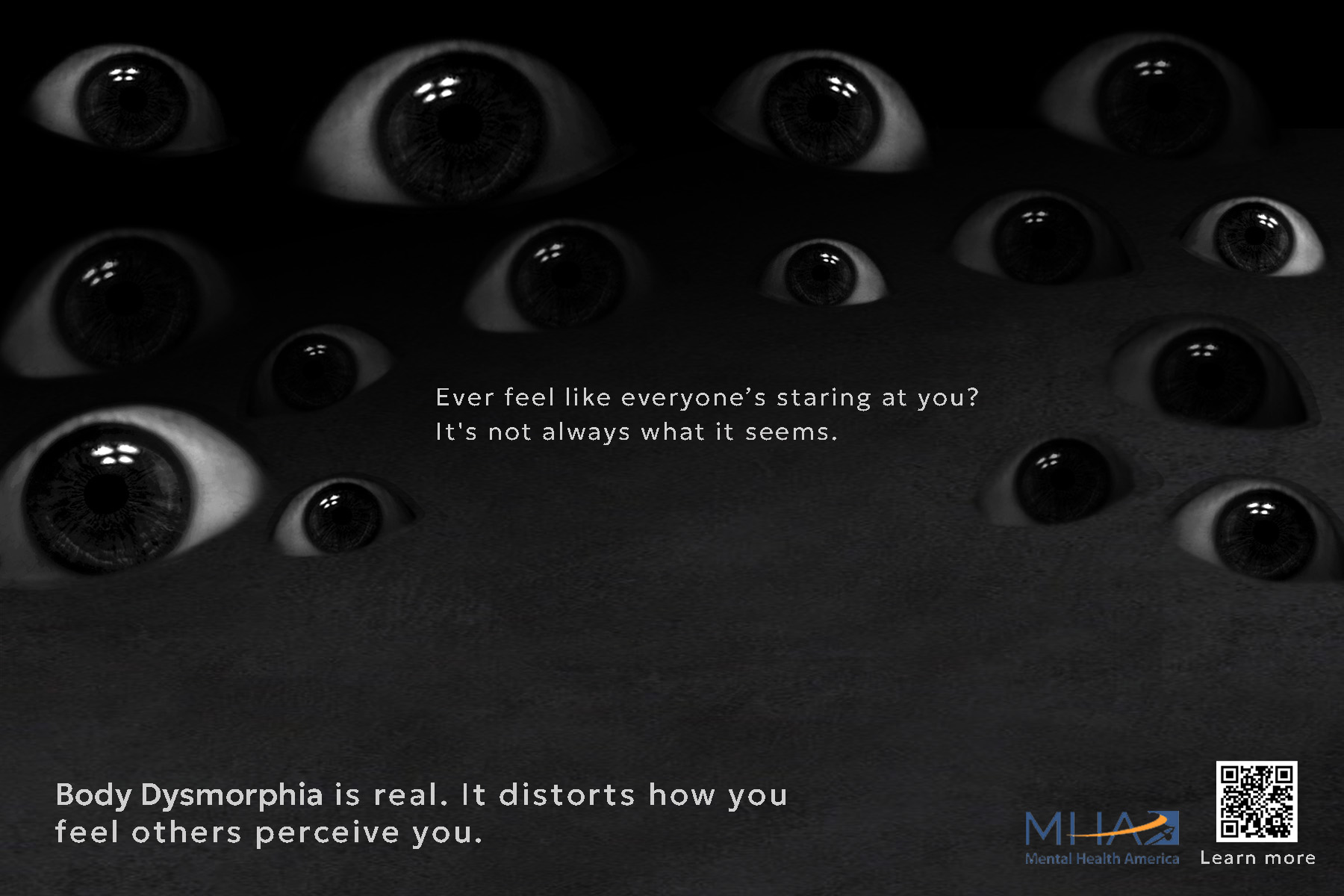
Sometimes people find it hard to make eye contact, speak or interact with others; it may be a way to keep attention away from themselves and their appearance.